
By Ibrahim Nasiru
The curtains have officially fallen on the 22nd All Nigeria Editors’ Conference (ANEC) in Enugu, leaving the leadership of Nigeria’s media ecosystem with a profound burden of introspection.
Gathered inside the International Conference Centre, hundreds of editors, publishers, and broadcasting executives spent days debating a theme that strikes at the very heart of our national survival: “The Ballot, the Media and the Task of Keeping Democracy Alive.” While the communiques and executive summaries will predictably speak to institutional solidarity, the real takeaway from the Enugu conclave is far more urgent. As the political class quietly aligns its machinery for the 2027 electoral cycle, the Nigerian press is facing a definitive litmus test—one that requires moving away from elite media consensus to fiercely protect the democratic rights of ordinary citizens.
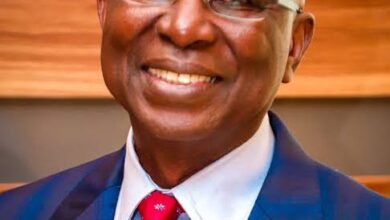
During his poignant keynote address, John Cardinal Onaiyekan articulated a reality that many in power would prefer to ignore: democracy cannot survive when the space for genuine public expression is systematically closed. For too long, the national political discourse has been heavily monopolized by a select elite, with mainstream platforms occasionally serving as mere echo chambers for administrative press releases. The Enugu conference correctly identified this systemic flaw. When citizens navigating historic food inflation, energy grid collapses, and deep economic uncertainty look to the media, they must find a mirror reflecting their raw realities—not a sanitized narrative designed to protect state actors.

The task of keeping democracy alive goes far beyond reporting election day logistics or tallying polling center results. It requires the media to actively resist the weaponization of state apparatuses meant to silence dissenting voices. In recent months, the misuse of cybercrime legislation and state security directives to harass independent journalists at the grassroots has created a dangerous chilling effect. If the gatekeepers who gathered in Enugu allow themselves to be intimidated or financially co-opted by state governors and political godfathers, the democratic fabric of the nation will collapse completely. True press freedom is not a privilege negotiated with executives; it is a fundamental pillar earned through consistent truth-telling and public accountability.
Furthermore, as the editors return to their respective newsrooms across Lagos, Abuja, and regional capitals, the fight against structural political exclusion must begin immediately. The media must refuse to be used as tools for pre-election disqualifications, where viable opposition figures are dismissed as “illegitimate” before the official whistle is blown. The ultimate metric of who speaks for the masses belongs exclusively to the voters at the ballot box, not to partisan gatekeepers or administrative decree. Whether analyzing the shifting political dynamics in the North or tracking local government autonomy battles within the Federal Capital Territory, the press must remain a completely neutral umpire.

The Enugu summit must not become just another annual ritual of academic speeches and elite networking. It must serve as a turning point for media house survival. Editors must actively build localized fact-checking networks, prioritize deep investigative journalism, and give prominent spaces to the voices of rural farmers, struggling traders, and unemployed youth. The 2027 democratic litmus test will not be graded on how well media organizations navigate corporate boardrooms, but on how fiercely they defend the human dignity and political sovereignty of the Nigerian voter. The official whistle hasn’t blown yet, but for the gatekeepers of our democracy, the real work has just begun.
Ibrahim Nasiru
Is A Public Affairs Analyst and Political Commentator