
By Ibrahim Nasiru
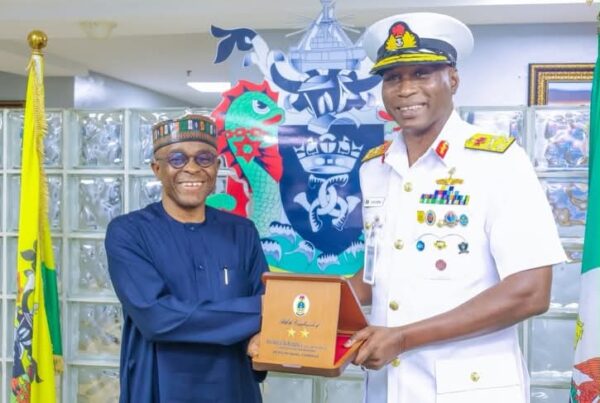
The recent courtesy visit of the new Flag Officer Commanding (FOC) Western Naval Command, Rear Admiral Abubakar Abdullahi Mustapha, to the Nigerian Ports Authority (NPA) headquarters in Marina, Lagos, has signaled a profound shift in the governance of Nigeria’s littoral assets.
On the surface, the high-level meeting presents as a traditional inter-agency military visit. However, beneath the protocol lies the active execution of what industry analysts are calling the Dantsoho Doctrine: an aggressive, strategic alignment where the multi-billion dollar physical assets of the NPA are directly backed by the absolute kinetic and surveillance firepower of the Nigerian Navy.
By positioning the NPA not merely as a landlord of terminal complexes but as a key stakeholder in national security, Managing Director Dr. Abubakar Dantsoho is systematically building an ironclad environment where global trade can thrive without interruption.
During the deliberations, Rear Admiral Mustapha conveyed the deep institutional alignment of the Chief of the Naval Staff, Vice Admiral Idi Abbas, praising Dantsoho’s innovative leadership in driving rapid Port efficiency and structural reform. This endorsement from the highest echelons of Nigeria’s maritime defense architecture is a massive validation of the current management’s fiscal and operational direction.
For an administrator currently steering the authority toward a historic ₦1.489 trillion revenue generation peak for the fiscal year, securing a secure, crime-free shipping lane is not an option—it is a baseline financial requirement.
Through this consolidated partnership, Dantsoho is directly plugging the NPA into elite defense networks, including the Falcon Eye Maritime Surveillance System and the Regional Maritime Awareness Capability (RMAC), effectively creating an uninterrupted digital shield over Nigerian waters.

What sets Dantsoho apart as a premier technocrat is his ability to convert defensive military cooperation into aggressive trade facilitation advantages.

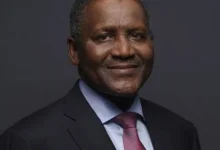
In his response to the Naval Command, he moved completely past standard pleasantries to demand immediate, expanded operational deployments, specifically targeting the Eastern Zone.

This tactical request demonstrates a deep understanding of regional trade mechanics. By demanding enhanced naval visibility around vital gateways like Onne, Port Harcourt, Warri, and Calabar, Dantsoho is actively de-risking the eastern shipping corridors.
This strategy will drive down the exorbitant war-risk insurance premiums that have historically frustrated international shipping lines, ultimately reducing the cost of doing business and curbing the marketplace inflation hitting everyday citizens.
Ultimately, this high-level naval alliance proves that the current leadership understands that true Port efficiency cannot exist in a security vacuum. You can purchase the best automated terminal software and build the deepest berths, but if the shipping lanes are insecure, the entire investment collapses.
By integrating naval surveillance with Port operations, Dr. Abubakar Dantsoho is building a hyper-resilient, globally competitive maritime gateway. This latest milestone demonstrates that his administration is not just managing Ports; they are actively re-engineering the security and economic DNA of the entire West African sub-region, ensuring that Nigeria remains the undisputed capital of maritime trade.
Chief Ibrahim Nasiru
A Public Affairs Analyst writes from Abuja