
The traditional marriage ceremony between Mr. Ken Osuji, son of Sir and Lady Boniface Osuji, both retired teachers, and Miss Laura Macfoy, the only daughter of Evangelist Ikemefuna and Mrs. Rollens Macfoy, from a distinguished family with a rich heritage of priestly service, took place at *The Stable Place, Surulere* , Lagos, on Saturday, October 9, 2026.
The couple, who reside in the United Kingdom, are scheduled to celebrate their white wedding there in November.
Beyond the customary camaraderie, family reunions and conviviality associated with an occasion of this magnitude, the Lagos ceremony offered flashes of life’s deeper reflections and an opportunity to interrogate some of the existential questions surrounding marriage and its sustainability.
The celebration blended traditional and religious cultures while drawing attention to the values associated with two professions often regarded as vocations of service: teaching and evangelism. Both demand humility, discipline, responsibility and accountability, with rewards that, from a biblical perspective, transcend earthly recognition.

In contemporary society, marriages are increasingly subjected to the pressures of social status, material expectations and outward appearances. While love is often proclaimed as the foundation of these unions, questions sometimes arise about the extent to which wealth, social class and other material considerations influence marital choices.
Against this backdrop, it was refreshing to witness the celebration of a union that appeared to place humility, accountability, prayer and biblical principles at the centre of its foundation.

The backgrounds of the couple’s families offered a compelling context for this reflection. On one side stood the legacy of teaching, represented by Ken’s parents, both retired teachers; on the other was the heritage of evangelism and priestly service represented by Laura’s family.
The ceremony consequently became more than a traditional marriage celebration. It was an expression of cultural identity, family values and spiritual commitment.
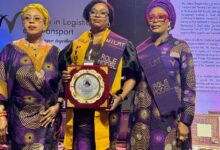
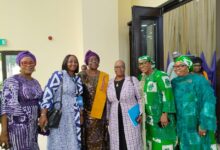
While tradition maintained its rightful place, biblical quotations, prayers and words of exhortation for the couple resonated from different corners of the hall. At times, the atmosphere resembled a church ministration service, much to the delight of guests.

The spiritual dimension was complemented by the rich expression of Igbo culture. A traditional dance troupe performing *_Egwu Ogene_* , the energetic gong-based musical tradition, added colour and cultural authenticity to an already lively occasion. A live band, complemented intermittently by a disc jockey, kept guests entertained with a carefully curated selection of uplifting gospel music.
Together, these elements created a celebration in which tradition, faith, music and communal fellowship found expression.
Beyond the festivities, the ceremony raised important questions about the role of faith, culture and preparation in building enduring marriages.
How much prayer does a marriage need to sustain love and navigate the challenges that inevitably arise after the wedding celebration?
To what extent can traditional marriage rites, customs and cultural values contribute to the stability of the marriage institution?
Between traditional and white weddings, is either ceremony inherently better positioned to prepare couples for the realities of married life, particularly during periods of conflict and uncertainty?
What role do premarital counselling and marriage preparation courses play in equipping couples with the emotional, spiritual and practical tools required to sustain their unions?
More fundamentally, are these ceremonies, customs and preparatory activities merely social conventions designed to facilitate socialisation and entertainment, or do they provide enduring values that strengthen marriage and family life?
These questions deserve serious consideration in a society where the splendour of wedding celebrations does not always translate into lasting marital fulfilment.
While no single ceremony, religious observance or cultural practice can guarantee a successful marriage, the values of mutual respect, patience, communication, fidelity, responsibility and shared purpose remain essential. Prayer and spiritual guidance can also provide a framework for couples seeking to navigate the complexities of married life.
Ken and Laura’s celebration offered a moment to reflect on how these values can be incorporated into the foundations of marriage rather than left as ceremonial expressions on the wedding day.
The Stable Place was a sight to behold on the day. Friends, associates and well-wishers of both families, adorned in the colours selected for the occasion, filled the hall, which accommodates more than 1,000 guests.
The atmosphere reflected the relationships, professional networks and social connections cultivated by the two families over the years.
From the maritime sector, where Mrs. Macfoy is a prominent stakeholder, business associates and friends turned out in impressive numbers to celebrate with the family.
Among those represented were members of the Women’s International Shipping and Trading Association (WISTA) Nigeria, Women in Maritime Africa (WIMA), and the Women in Maritime Organisation of West and Central Africa (WIMOCA).
The distinguished guests included Mrs. Chinwe Ezenwa, Mr. Bolaji Sunmola, Barr. Mrs. Jean Cheazor Anishere, SAN, Barr. Dr. Emeka Akabuogu, Chief Mrs. Carol Ufere, Capt. Iheanacho Ebubeogu, Dr. Odunayo Ani, Mrs. Gloria Anyasodo, Dr. Mrs. Felicia Mogo, Mrs Eunice Ezeoke, Barr. Mrs. Gloria Kanabe, Barr. Mrs. Oritsematosan Edodo Emore, Mrs. Theodora Nwaeze, Mrs. Toyin Oyeleke, Mr. Basil Opara, Mrs. Vivian Chimezie-Azubuike, Aisha of NAN, Mrs. Lola Adesokan and Mr. Kingsley Anaroke.
Their presence underscored the strong bonds of friendship and professional fellowship that extend beyond the workplace into the personal milestones of members of the maritime community.
As the celebration drew to a close, it left behind memories of cultural expression, family fellowship and spiritual reflection. Yet one of its most enduring messages lay in the significance of the biblical relationship between pastors and teachers.
In Ephesians 4:11–13, the Bible identifies pastors and teachers among the ministries given to equip believers for service and build up the body of Christ. The passage highlights the complementary nature of these callings in nurturing spiritual maturity and preserving the faith.
The connection is particularly striking in the context of Ken and Laura’s marriage. Ken’s family represents the teaching profession, while Laura’s family brings a heritage of evangelism and priestly service. Their union therefore offers a symbolic reminder of the importance of complementary values, shared responsibilities and a common spiritual foundation.
The biblical principle is not merely that pastors and teachers should work together, but that their respective gifts and responsibilities can contribute to the preservation of sound doctrine and the spiritual development of the community.
Their rewards, according to the Christian understanding of divine service, “Is in heaven”, meaning it, ultimately transcend earthly recognition.
In a world where social values and expectations surrounding marriage continue to evolve, the ceremony provided an opportunity to revisit enduring questions about faith, commitment, family and responsibility. It also served as a reminder that the true measure of a marriage lies not in the grandeur of its celebration but in the quality of the life the couple builds together afterwards.
Congratulations to Ken and Laura on the beginning of their marital journey—a union celebrated in the embrace of tradition and steeped in biblical principles.
May their marriage flourish in love, faith, mutual respect and understanding, and may it become a worthy example to their generation.
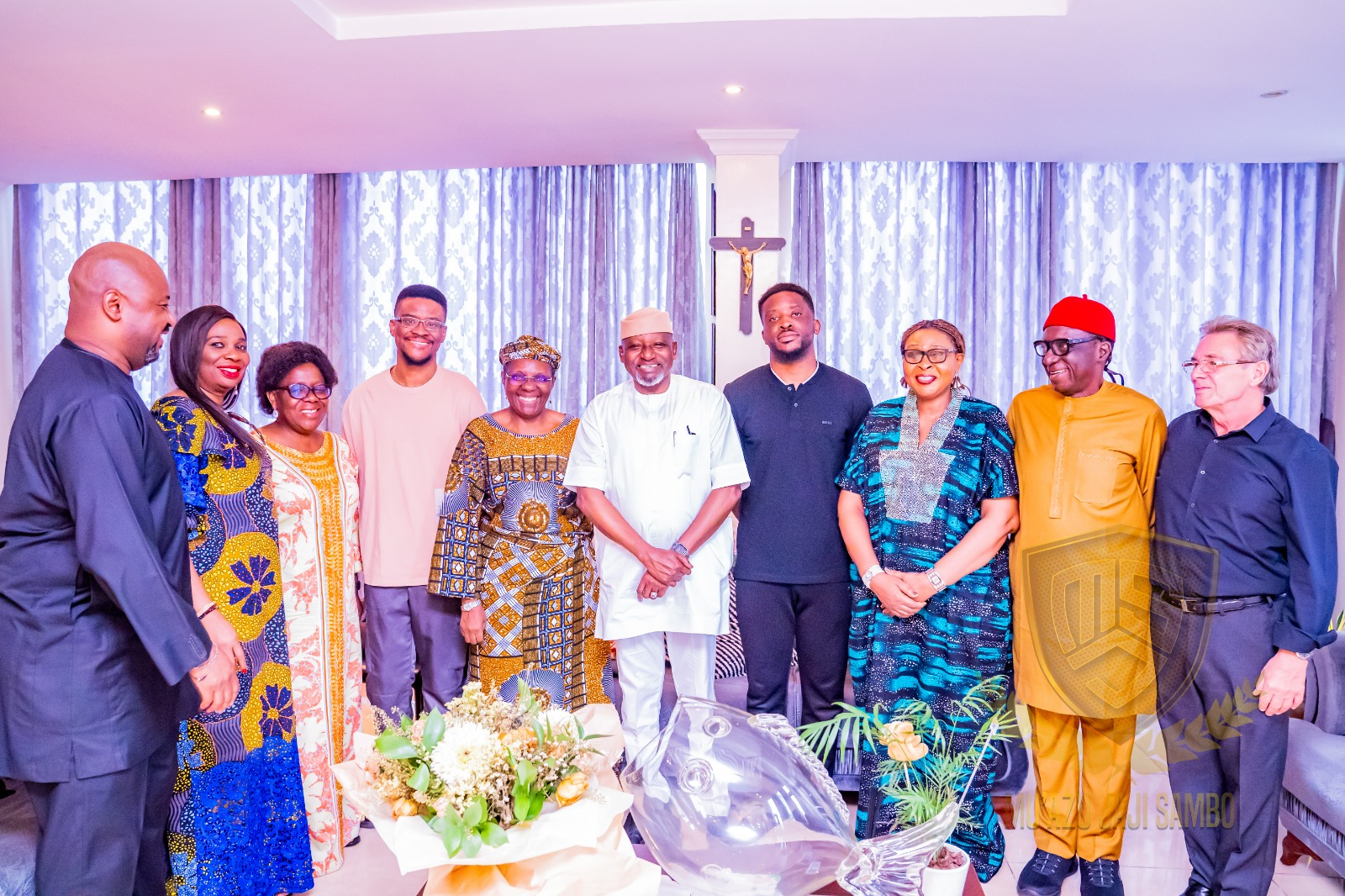
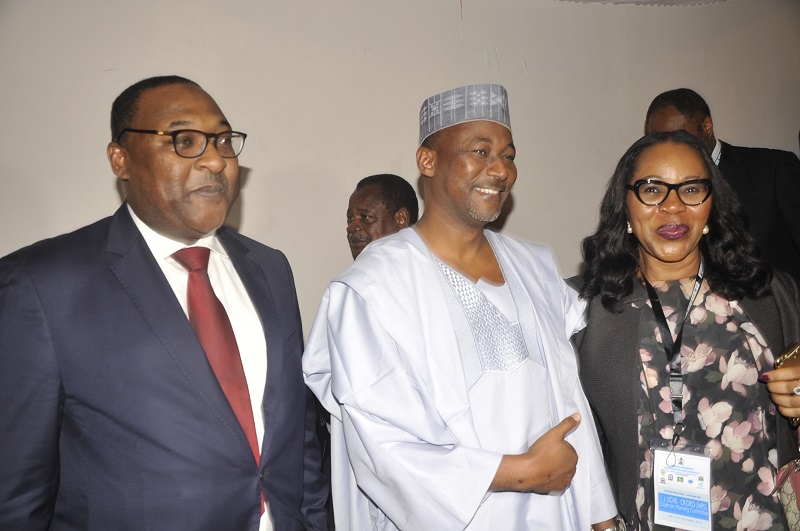
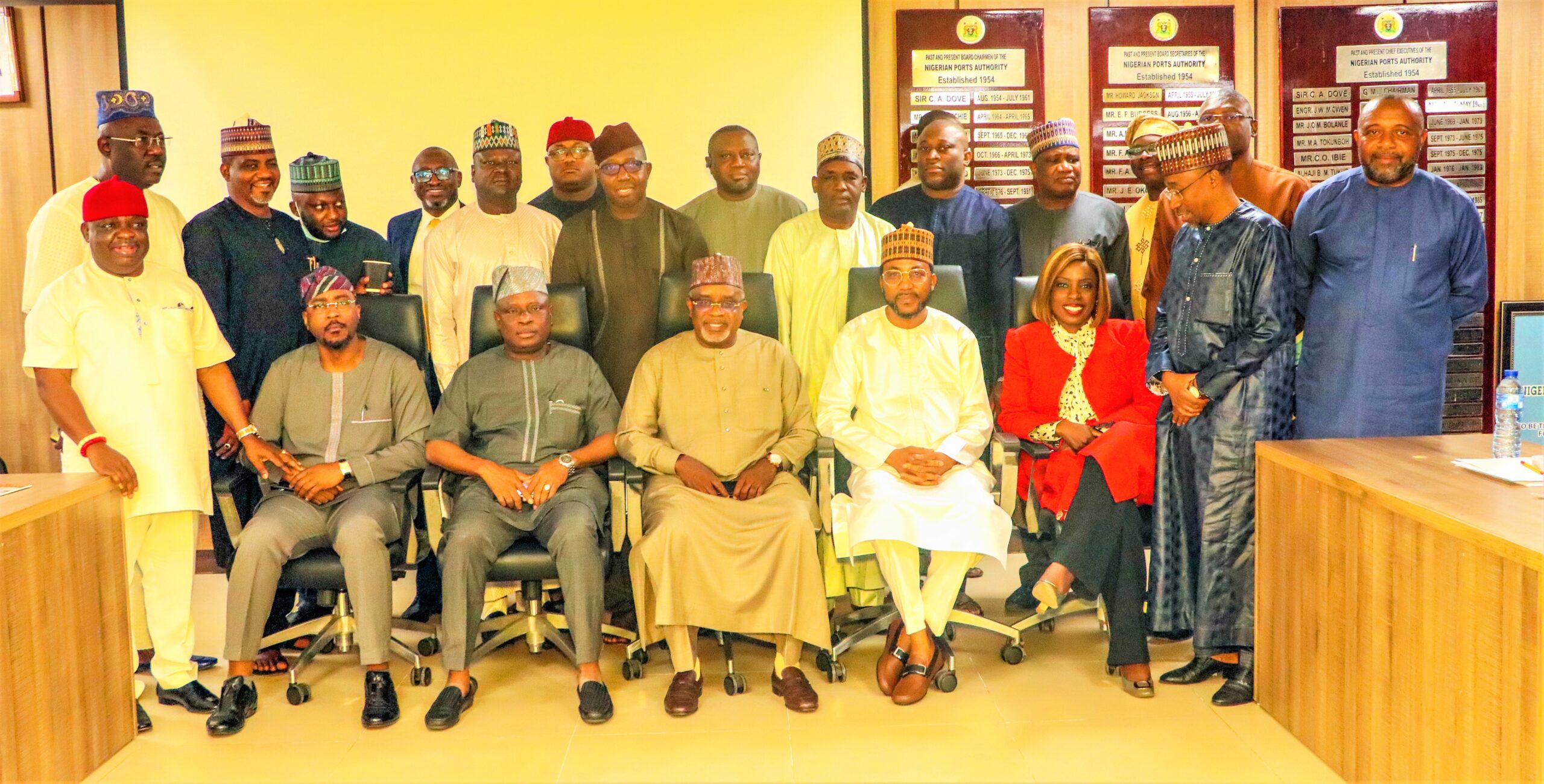
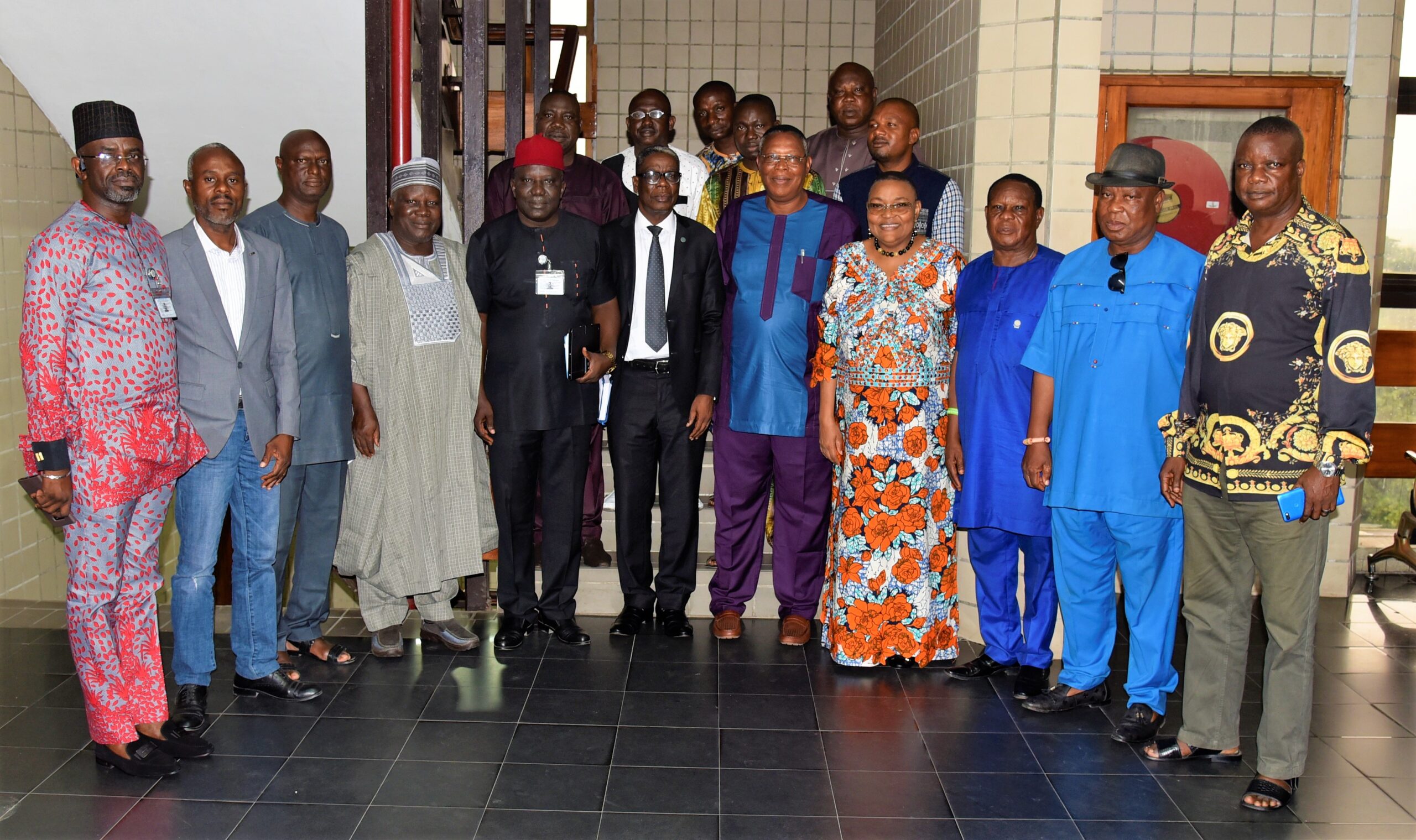
Enjoy the pictorial faces as captured by MMS PLUS!