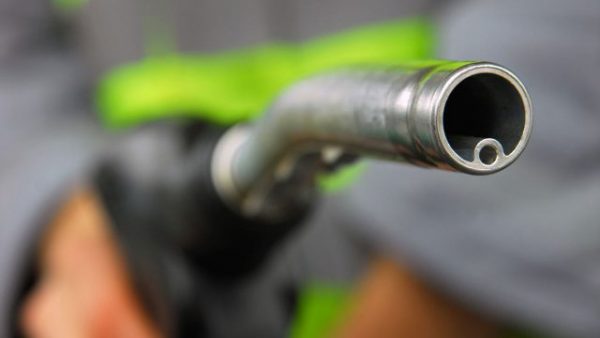


Motorists in Nigeria may soon have greater control over how they purchase Premium Motor Spirit, as MRS Holdings in partnership with QuickFuel Nigeria Limited has introduced a self-service fuel dispensing technology aimed at transforming the traditional petrol retail experience.
The initiative, unveiled in Lagos on Tuesday, has begun at one of the MRs filling with promises to get it spread to about 40 of its filling stations in Lagos state to allow customers to dispense fuel themselves, make payments through approved channels and complete transactions without depending on attendants.
Speaking at the unveiling, the Executive Director, Technological Services, QuickFuel, Oludare Owolabi, said the initiative was designed to challenge the existing model of fuel dispensing and address longstanding concerns surrounding delays, customer experience and accountability.

He said the innovation is expected to introduce greater convenience, transparency and accountability into fuel retailing, while providing motorists with the flexibility to purchase petrol beyond the conventional operating hours of filling stations.
He stated, “Today, we are not here simply to unveil another fuel pump. We are here to challenge an old way of buying fuel and introduce a better one.”

Owolabi observed that the traditional process, which requires motorists to queue, wait for attendants and depend on them to complete transactions, had continued to create inconveniences for customers.


He emphasised that the new technology would enable motorists to drive into participating stations, select their desired quantity, make payments and dispense fuel themselves, with transactions digitally recorded.

“Nigerians deserve their time back. Customers deserve confidence. Dealers deserve stronger controls, and the industry deserves a new standard,” he added.
According to him, the innovation is also expected to support round-the-clock fuel retailing at enabled stations, allowing customers to purchase petrol at any time, including late at night and during early morning hours.
He said the flexibility would particularly benefit commercial drivers, commuters, healthcare workers returning from night shifts and other motorists whose schedules might not align with conventional filling station operations.
Aside convenience, Owolabi said the technology would strengthen accountability by providing digital records of fuel deliveries, dispensing activities, payments and inventory movements.
“Every litre should be accounted for. Every payment should be traceable. Every discrepancy should be visible,” he said.
He explained that the system would help dealers monitor stock levels, reconcile daily sales and identify possible discrepancies between fuel received, fuel dispensed and revenue collected.
The added that the technology would provide clearer transaction records and greater confidence in their purchases, while operators would benefit from improved oversight and reduced operational losses.
Owolabi, however, stressed that the introduction of self-service would not undermine existing safety standards, meter calibration, equipment maintenance or regulatory compliance.
He added that trained personnel would remain necessary to guide customers, maintain equipment and provide technical support.
The QuickFuel executive also disclosed that the initiative would incorporate customer reward opportunities for eligible patronage, with applicable conditions communicated at participating stations.
Also speaking at the event, Chairman of MRS Group, Sayyu Dantata, said the introduction of technology-driven self-service fuel dispensing was informed by his 34 years of experience in the petroleum industry and the need to address longstanding distribution and retail challenges.
Dantata recalled that some filling stations operated round the clock in the late 1980s, although dispensing was entirely manual and customers sometimes had to wake up sleeping attendants before receiving service.
He explained that while 24-hour fuel retailing was not entirely new in Nigeria, the latest innovation offered a technology-based approach that would address security concerns, improve convenience and eliminate some of the limitations associated with the traditional system.
He said, “I have been in the industry for 34 years and I have seen through the process. I look at things and I said, why can’t I do something to help the industry?.