
Africa’s Waterways Must Not Become Corridors Of Death, But Of Opportunity — ABER 1st Vice Chairperson

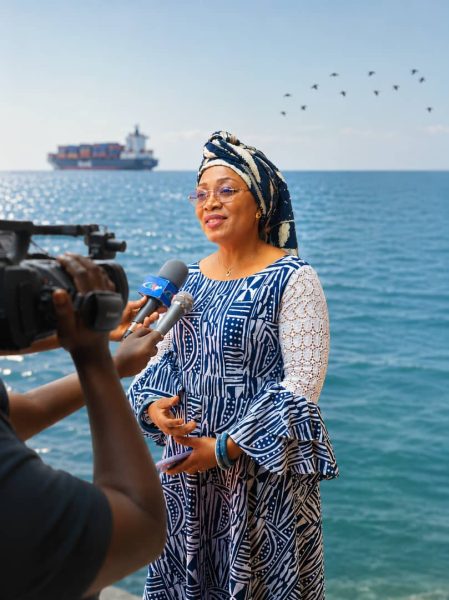
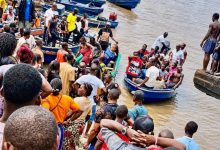
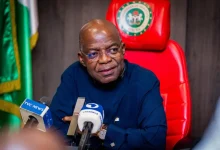
Following the tragic boat mishap in Bayelsa State Nigeria, the 1st Vice Chairperson of the Africa Blue Economy Roundtable (ABER), Senior Maritime Lawyer in Cameroon and Blue Economy Strategist, Barr. Sophie De Sylvie Djoufa Tiemagni, has called for urgent and comprehensive reform of waterway safety governance in Nigeria and across Africa, warning that preventable waterway accidents must no longer be treated as unavoidable tragedies.
In a statement issued on Tuesday in Douala, Republic of Cameroon, Barr. Djoufa Tiemagni extended her deepest and most heartfelt condolences to the bereaved families and to the Government of Bayelsa State, and the federal government, praying for strength to bear the immeasurable loss, and wishing the injured and traumatised survivors a speedy recovery, both physically and emotionally.
“This tragedy is deeply heartbreaking. But beyond our condolences, it must compel us to confront some fundamental questions about maritime safety, navigational security, waterways management and regulatory enforcement in our region.”
As a practitioner who has dedicated years to maritime law and the promotion of the Blue Economy in Africa, Barr. Djoufa Tiemagni stressed that overloading, the absence of passenger manifests, failure to wear life jackets, poorly maintained vessels, and inadequate operational controls are not merely isolated mistakes.
“They point to deeper institutional, regulatory and human capacity gaps that require urgent attention.”
While appreciating the concerns and proposed interventions by President Bola Ahmed Tinubu, Bayelsa State governor, Senator Douye Diri and Prince Ebitimi Amgbare, Managing Director of the Niger Delta Basin Development Authority (NDBDA), she called for a stronger and more comprehensive waterway safety governance framework that goes beyond cleaning rivers, clearing water hyacinths, and sensitising communities.

Barr. Djoufa Tiemagni proposed eight urgent actions for consideration:
Effective Maritime and Inland Waterways Enforcement:
Regular and unannounced patrols to intercept illegal, unregistered and non-compliant vessels. Operators engaging in dangerous practices must be identified, prosecuted where appropriate, and subjected to effective and deterrent sanctions.
Mandatory Vessel Inspection Before Licensing and Certification:
No vessel should be granted or have its operating licence renewed without proper technical inspection. Seaworthiness, mechanical condition, stability, passenger capacity, safety equipment, and emergency preparedness must be verified. Certification must never become a mere administrative formality.

Comprehensive Registration and Tracking System:
Every commercial passenger vessel should be properly registered, identifiable and traceable. Passenger manifests must be compulsory, with clear records of departure, destination, passenger numbers, and responsible operators.
Capacity Building and Professional Certification:
Boat operators, navigators, jetty managers and other waterways stakeholders need structured training in navigation safety, emergency response, passenger management, first aid, and applicable maritime regulations.
Mass Awareness and Public Education:
A sustained, nationwide waterway safety education campaign. Communities must understand that wearing a life jacket is not optional, overloading is dangerous, and boarding an uncertified vessel puts lives at risk. Traditional rulers, religious leaders, schools, women and youth organisations should be actively involved.
Stronger Institutional Coordination:
NDBDA, NIWA, NIMASA, NEMA, SEMA, Marine Police, relevant State authorities, and community leaders must establish a functional coordination mechanism with clearly defined responsibilities, joint patrols, information sharing, and emergency response protocols.
Risk Mapping and Navigational Infrastructure:
Dangerous river junctions, shallow channels, and high-risk navigation corridors must be mapped, properly marked, and equipped with navigational signs, lighting where necessary, and reliable communication and emergency facilities.
Accountability and Transparent Safety Audits:
Regular independent safety audits should assess compliance by vessel operators, jetty managers, and responsible institutions. Accident investigations must result in corrective measures, public reporting, and accountability.
Barr. Djoufa Tiemagni, who also serves as Chairperson of the Africa Blue Economy Forum, cautioned that modernising the fleet must go hand in hand with modernising regulatory institutions, operational standards, and safety culture.
“A modern boat without proper inspection, a trained operator, a safe navigational channel and effective enforcement can still become a death trap.”
She advocated a comprehensive, preventive, and people-centred approach to waterways governance.
“The Blue Economy is not just about exploiting the economic opportunities of our oceans, rivers and inland waterways. It is also about protecting human lives, preserving aquatic ecosystems, ensuring safe navigation and creating an environment where maritime activities can thrive responsibly.”
“But there can be no sustainable Blue Economy without effective regulation, institutional accountability, professional capacity and a genuine culture of maritime safety.”
“Let this tragedy not become another painful statistic that we mourn today and forget tomorrow. Let it be a turning point. Let us move from condolences to commitment, from recommendations to enforcement, from fragmented interventions to coordinated action, and from reactive responses to preventive governance.”
“The time to act is NOW. May the lives lost in Bayelsa not have been lost in vain.”
Barr. Sophie De Sylvie Djoufa Tiemagni is a Blue Economy Strategist with years of experience in maritime law practice and the promotion of a responsible, inclusive and sustainable Blue Economy in Africa.